Brain & Cognitive Function Assessment
EEG/QEEG/ERP-based prefrontal MDF·PF·P300 analysis to quantify brain aging, cognitive function, and brain instability
ASSESS + TRAIN Technology · 5-min Measure → Quantify → Train → Re-measure & Verify
HASRI
We standardize 1,500+ neurophysiological indicators of the brain, autonomic nervous system, and peripheral vasculature, quantitatively assessing cognitive function, stress, emotional state, and brain aging.
We will do our best to achieve world-class research outcomes based on our pioneering core technologies.
Knowing Brain is Healing Brain.
Understanding the brain is the path to healing it.Closed-loop: 5-min Measure → Quantify → Train → Re-measure & Verify
EEG/QEEG/ERP-based prefrontal MDF·PF·P300 analysis to quantify brain aging, cognitive function, and brain instability
HRV·EEG-emotion analysis to quantify acute/chronic stress index, emotional state, and depression scale (GDS correlation)
HRV·ANS balance analysis to quantify sympathetic/parasympathetic balance, ANS aging, and cardiac/arrhythmia risk
SDPTG·PPG acceleration plethysmography and auricular peripheral pulse to quantify peripheral vascular aging
Real-time EEG feedback to actively regulate focus, attention, and relaxation. Post-training EEG reproducibility verifies improvement
Integrated wellness training: cognitive training (attention/working memory/executive function), breathing meditation, qigong, forest-solar therapy with verified neurophysiological effects
Papers published in international and domestic journals by HASRI researchers
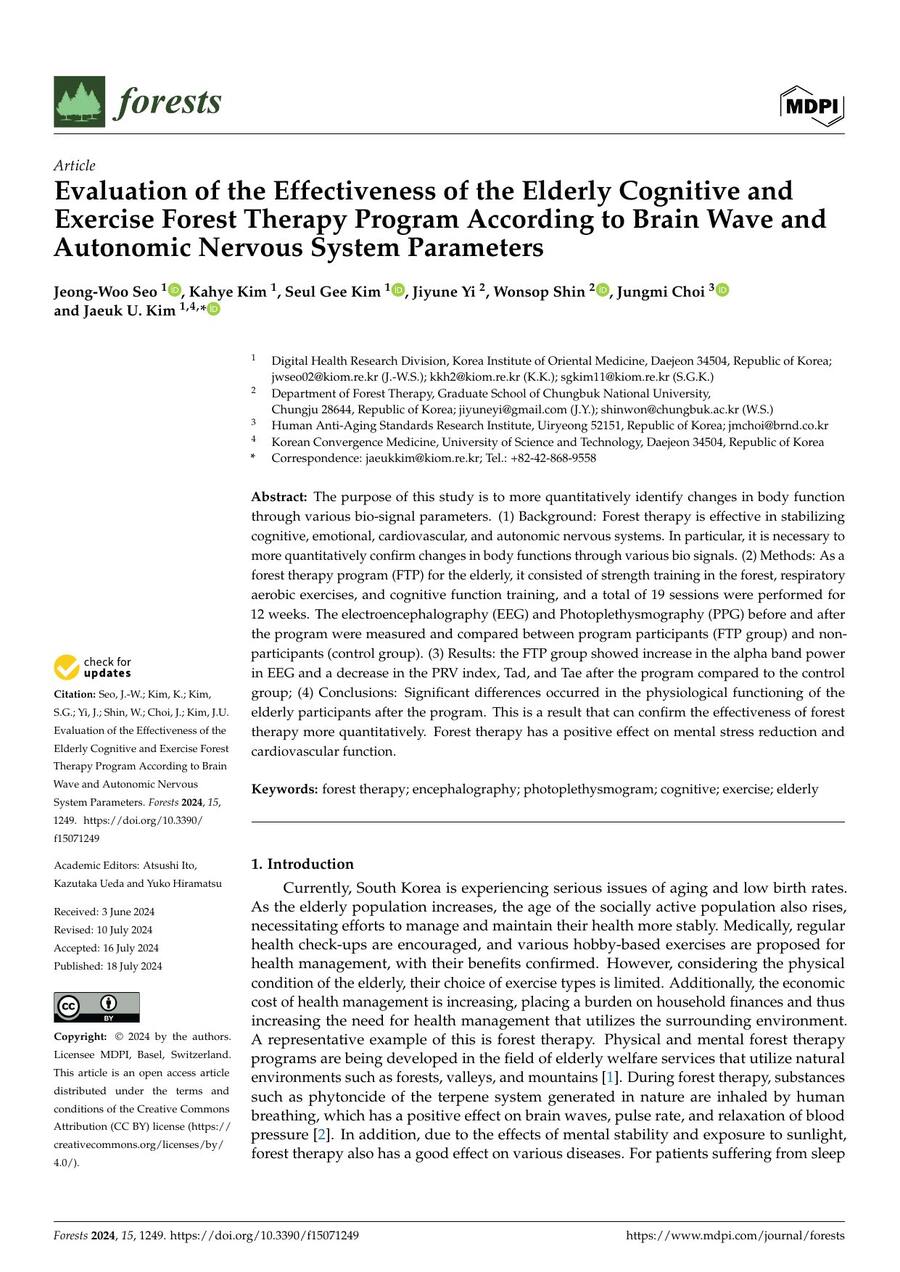
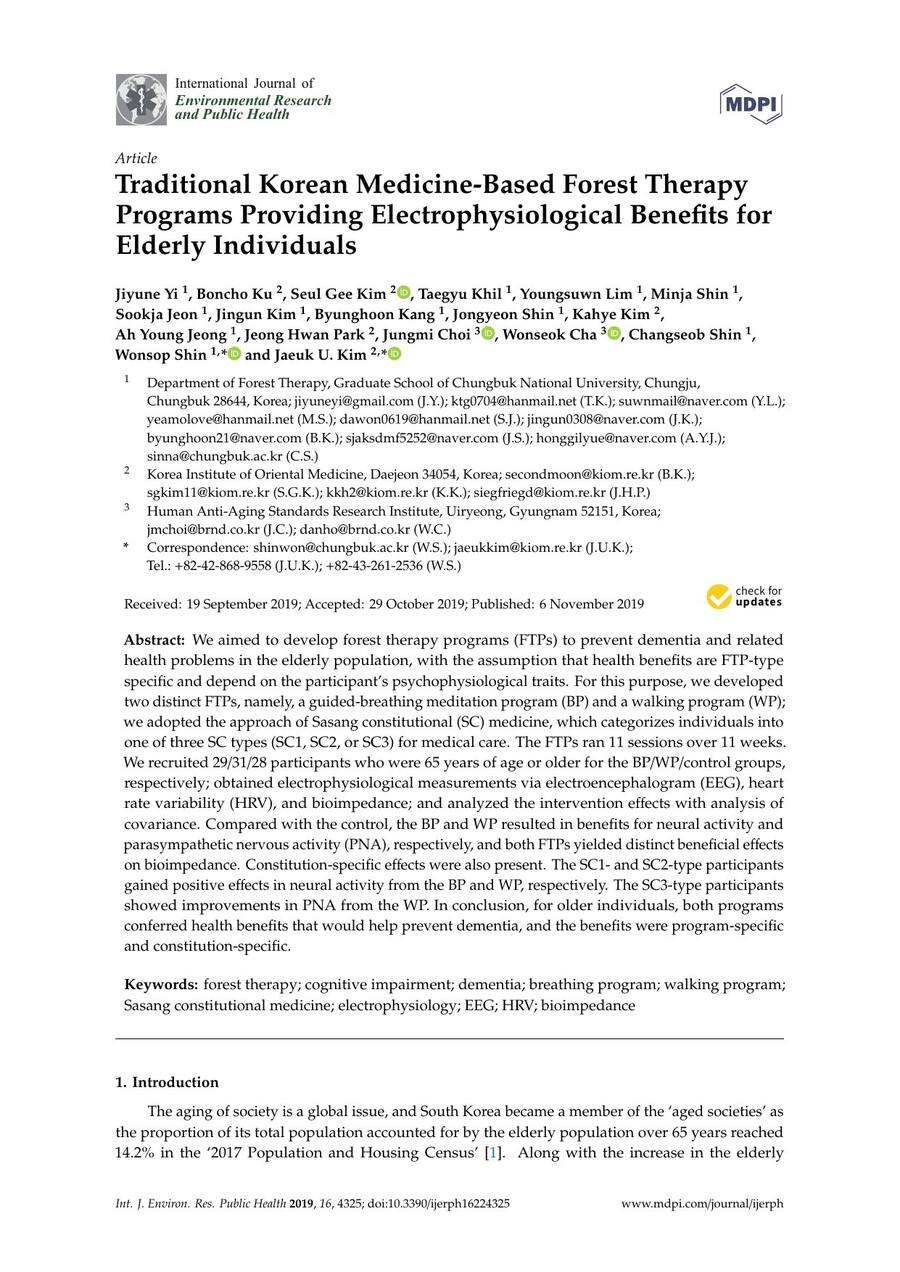
A study quantitatively verifying neurophysiological effects of a nature-based forest therapy program on EEG and autonomic nervous system indicators via EEG·HRV. Pre-frontal alpha waves increased significantly pre/post program, with statistically confirmed improvements in HRV parasympathetic activity (RMSSD·HF). Stress index (LF/HF ratio) decreased significantly, attention-related EEG indices stabilized, and the study was the first scientific proof that forest environments substantially contribute to autonomic balance recovery and brain function stabilization. This pioneering work verifying health effects of forest therapy programs using neurophysiological objective indicators provides scientific basis for program standardization.
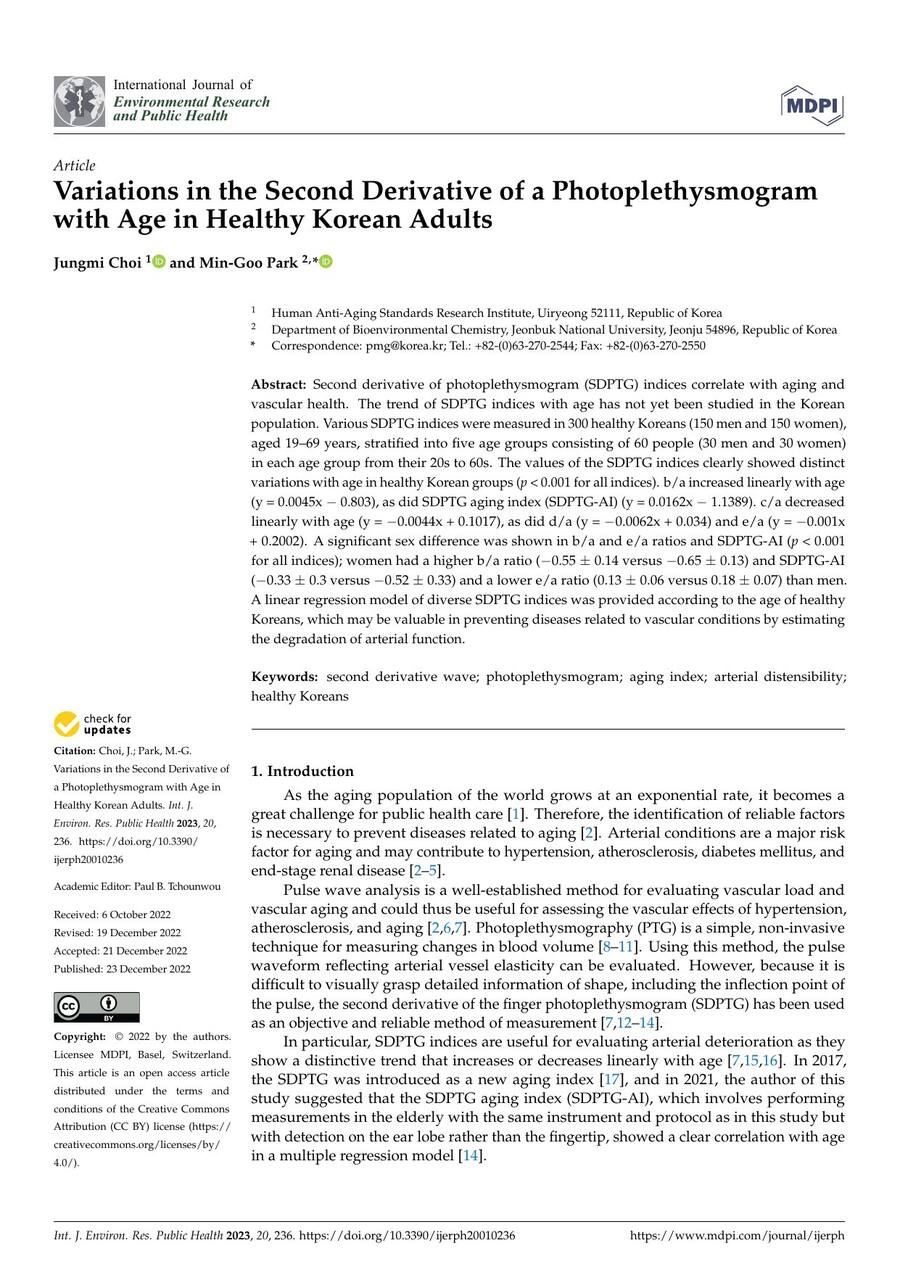
A study building a composite marker system for quantifying peripheral vascular aging using SDPTG·PPG accelerated pulse wave indices and establishing the first Korean age/sex reference values from a large cohort of adults aged 20–80. Normal ranges for 12 indices including vascular elasticity (AI, b/a ratio), arterial stiffness (d/a ratio), and pulse transit time were presented, with linear decline patterns statistically characterized by age. Significant differences from Western standards were confirmed, demonstrating the need for Korean-specific reference values. These standards are currently used as clinical vascular aging assessment criteria at HASRI.
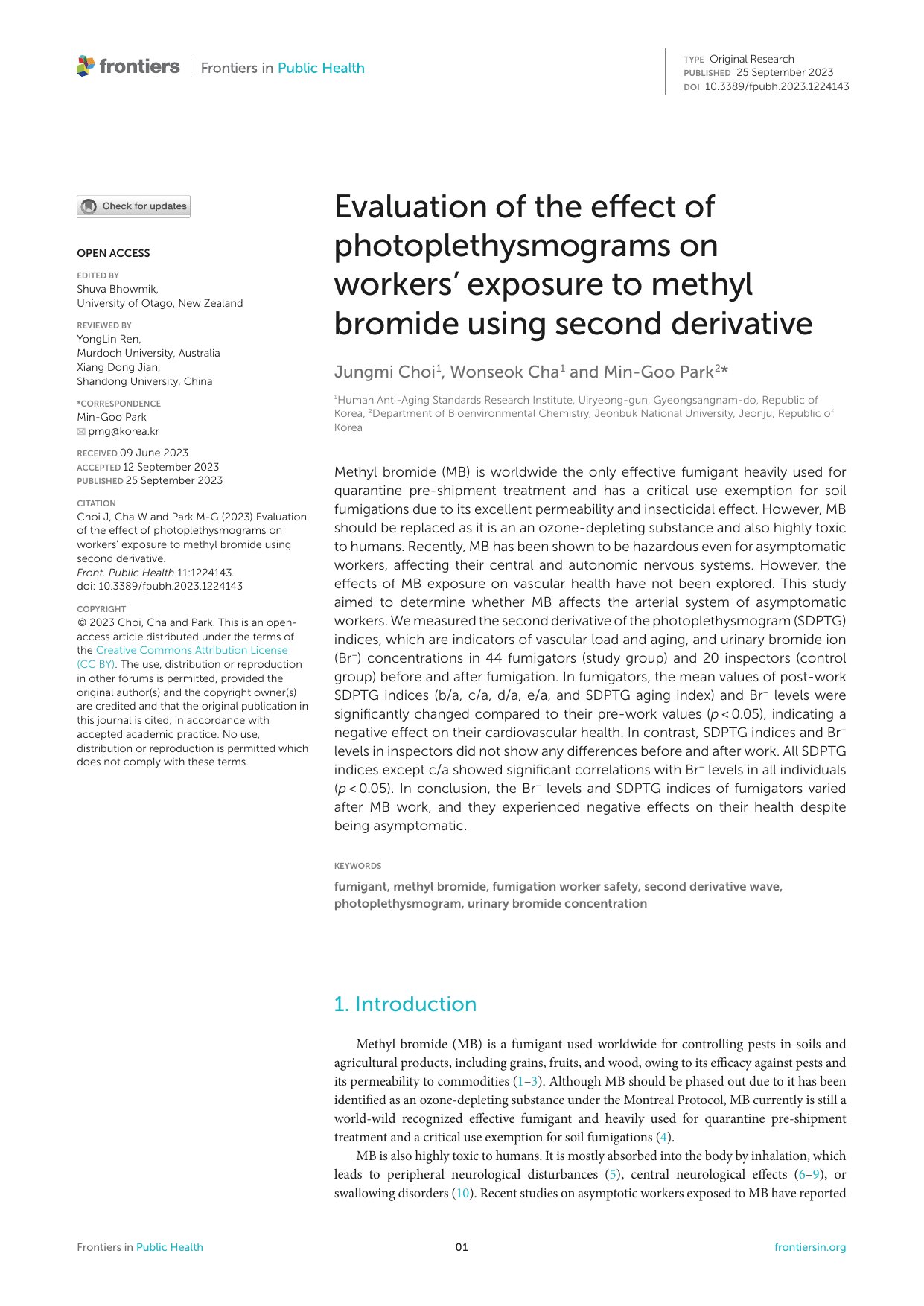
A study systematically analyzing SDPTG·PPG peripheral vascular index changes in workers with long-term occupational exposure to hazardous toxic substances (organic solvents, heavy metals, pesticides). Significant increases in arterial stiffness (d/a ratio), decreases in vascular elasticity (AI), and pulse transit velocity abnormalities were observed in exposed groups compared to non-exposed controls. Dose-response relationships between toxic exposure duration/amount and vascular damage indices were confirmed. Peripheral vascular biomarkers were shown to be sensitive early indicators detecting vascular abnormalities before neurotoxic effects. A non-invasive vascular health impact assessment protocol applicable in occupational health monitoring settings is proposed.
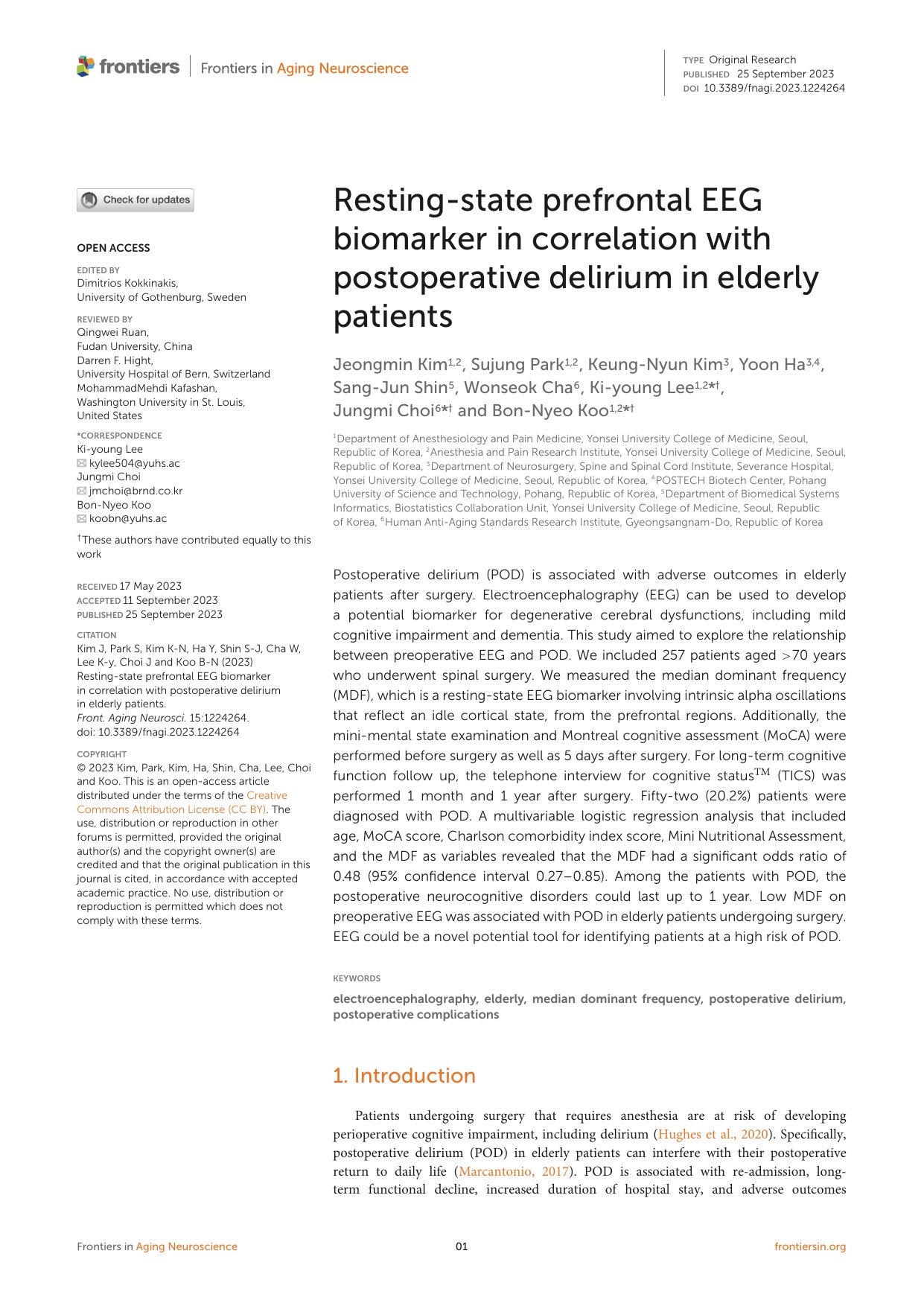
A study developing pre-operative EEG·P300·HRV composite screening markers to pre-identify high-risk groups for post-operative delirium (POD) in elderly patients undergoing general anesthesia. Pre-operative prefrontal slow-wave increases, P300 latency prolongation, and autonomic imbalance were already significantly abnormal in the delirium group before surgery, with the composite marker model achieving ROC-AUC of 0.84. This practical clinical tool has gained attention for pre-operatively identifying high-risk elderly patients that clinical indicators alone may miss, enabling preventive intervention in anesthesia and pre-anesthetic care.
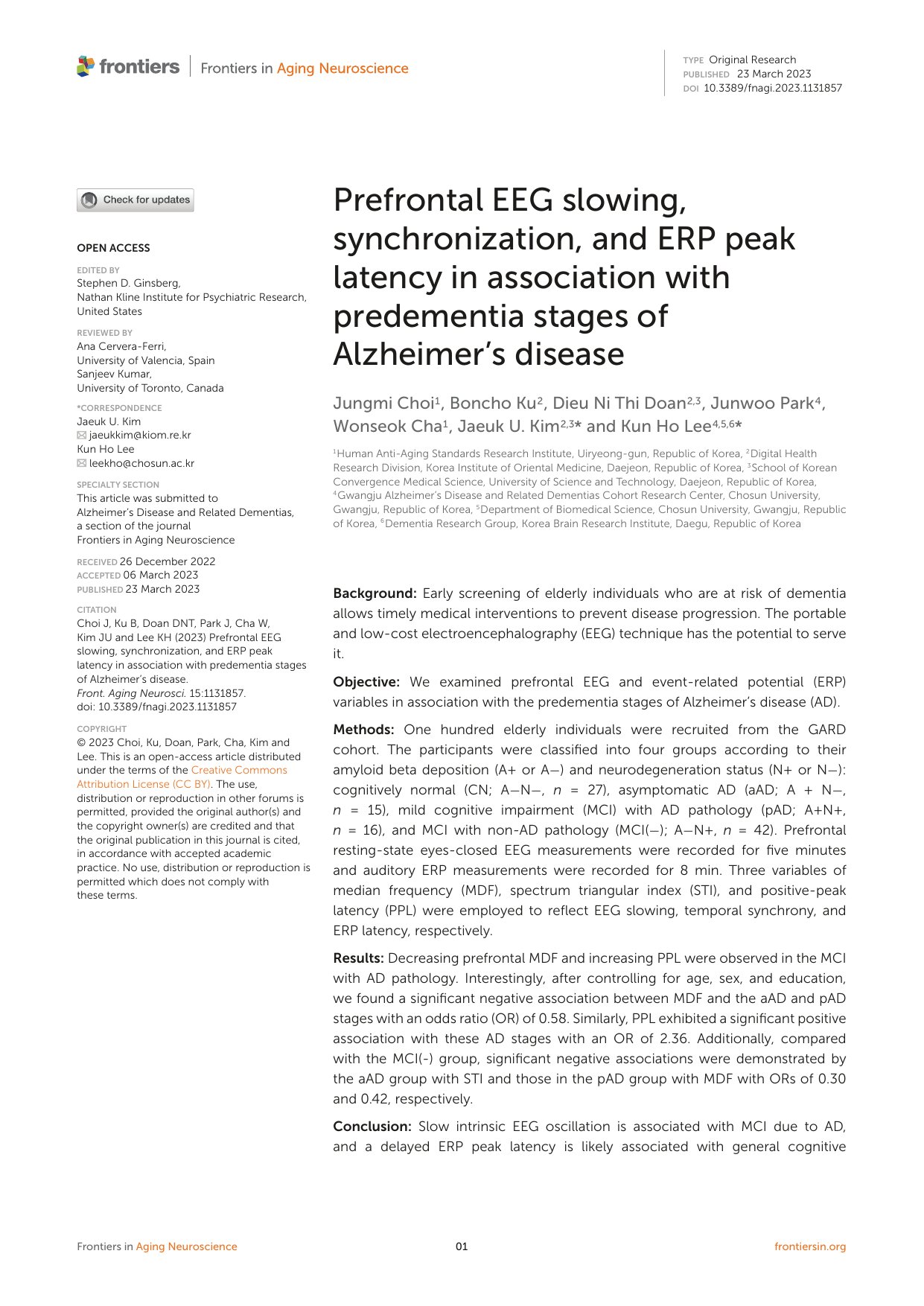
A study developing a screening tool to early-identify pre-clinical Alzheimer's patients — before clinical symptoms appear — using QEEG·HRV composite markers. In amyloid PET-positive but cognitively asymptomatic subjects, alpha-theta ratio (ATR) abnormalities and autonomic function decline were confirmed to significantly precede normal controls. This demonstrated that Alzheimer's pre-onset risk can be screened non-invasively with neurophysiological indicators alone, without expensive neuroimaging or cerebrospinal fluid biomarkers. A practical screening protocol applicable to community-based dementia early prediction cohort programs was established.
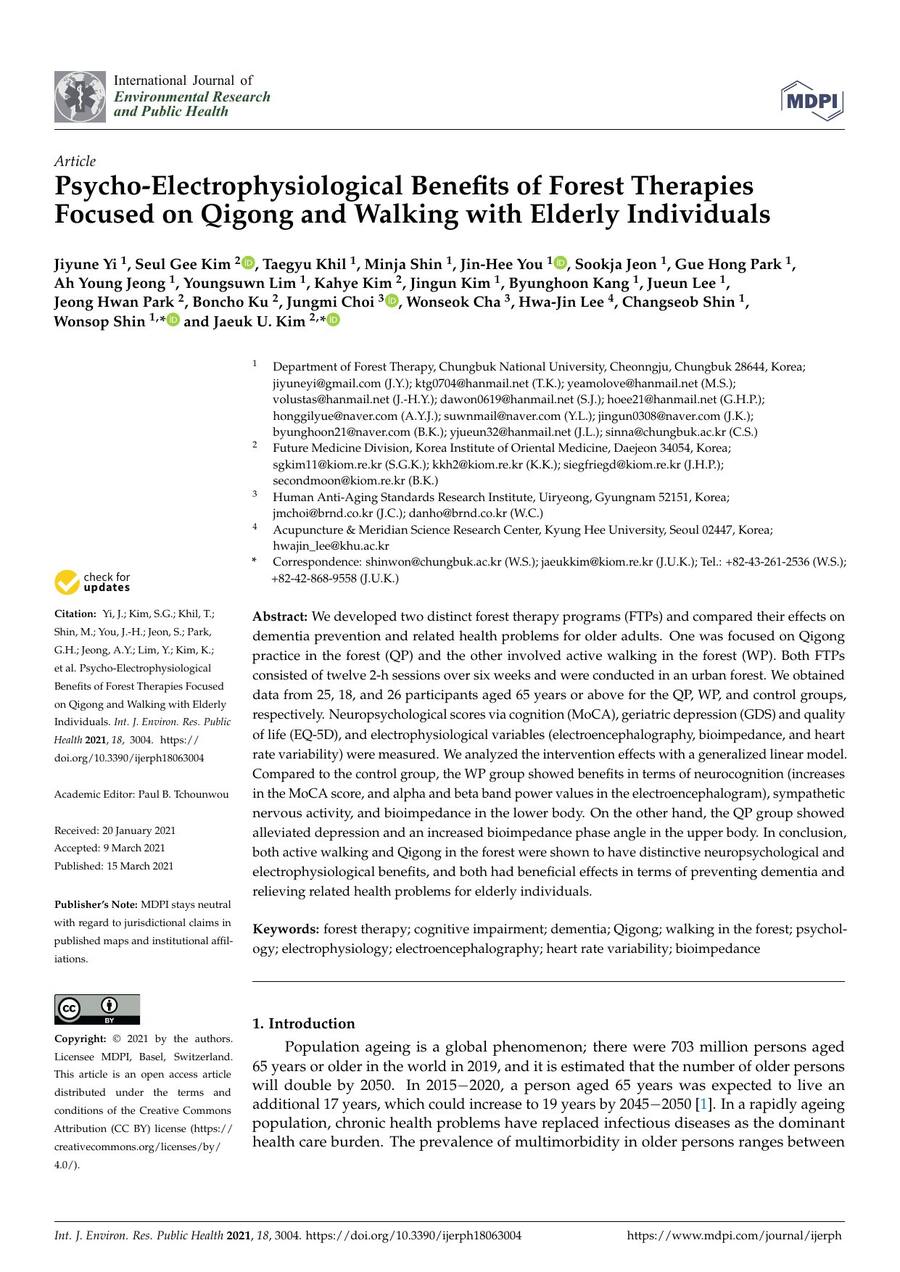
A follow-up study scientifically demonstrating brain function and autonomic nervous system improvement effects by multivariate analysis of EEG and HRV changes pre/post 8-week application of HASRI's integrated wellness program combining qigong, breathing, meditation, and heliotherapy. Simultaneous confirmation of significant prefrontal alpha increase, stress-related beta decrease, HRV high-frequency (HF) component increase, and LF/HF normalization was observed, with broader and more sustained neurophysiological effects than breathing training alone (I). Discovery that response degree varies by individual pre-EEG profiles provided scientific basis for personalized training program design. Currently directly applied in One Brain Center brain training program design.
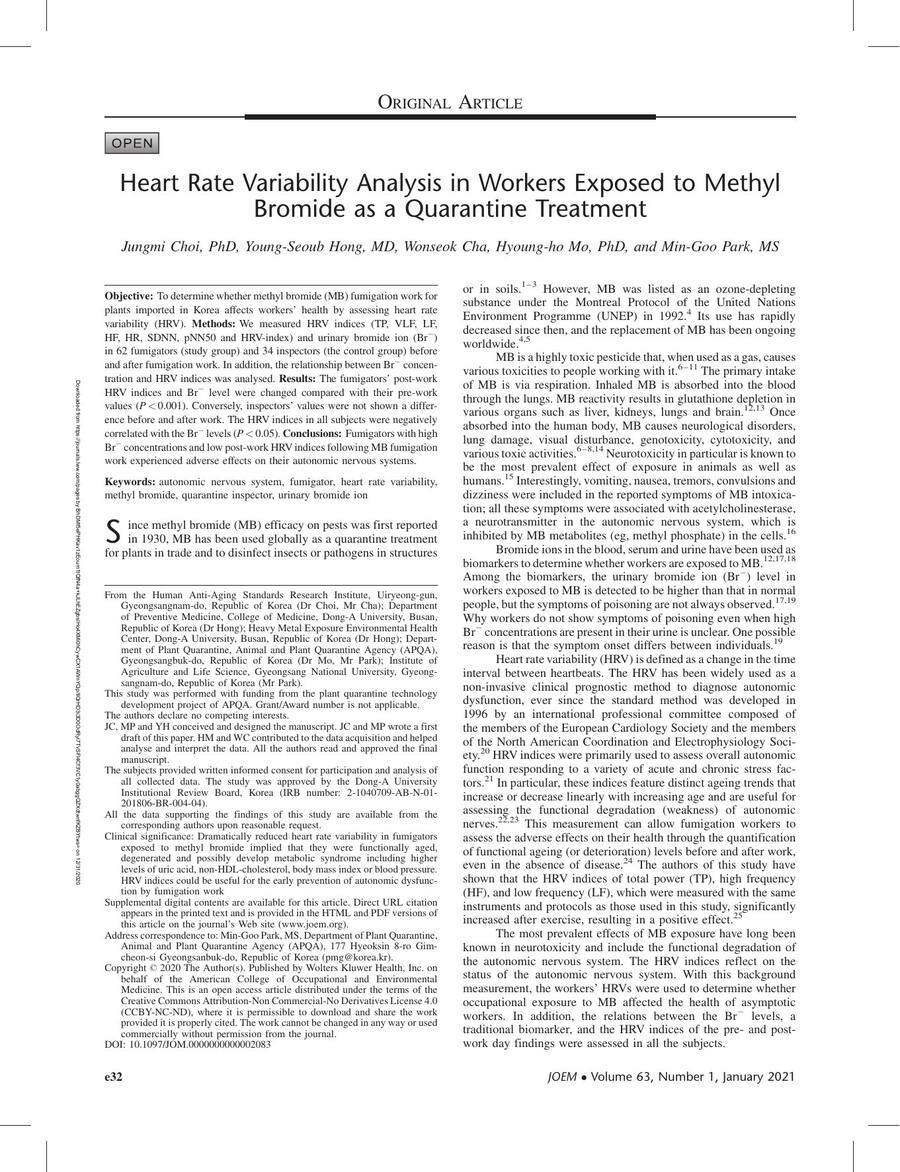
A study objectively assessing occupational health impacts by measuring HRV-based autonomic function indices in workers with long-term exposure to hazardous substances (organic solvents, heavy metals, pesticides) in industrial settings. Sympathetic overactivation (LF increase), parasympathetic decrease (HF decrease), and autonomic balance deterioration (LF/HF ratio increase) were consistently observed in exposed groups vs. non-exposed controls, with dose-response relationship confirmed as exposure duration lengthens. HRV indices were proven to be earlier biomarkers responding more sensitively to toxic exposure than neuropsychological tests. A non-invasive autonomic monitoring protocol immediately applicable in occupational health management settings is proposed.
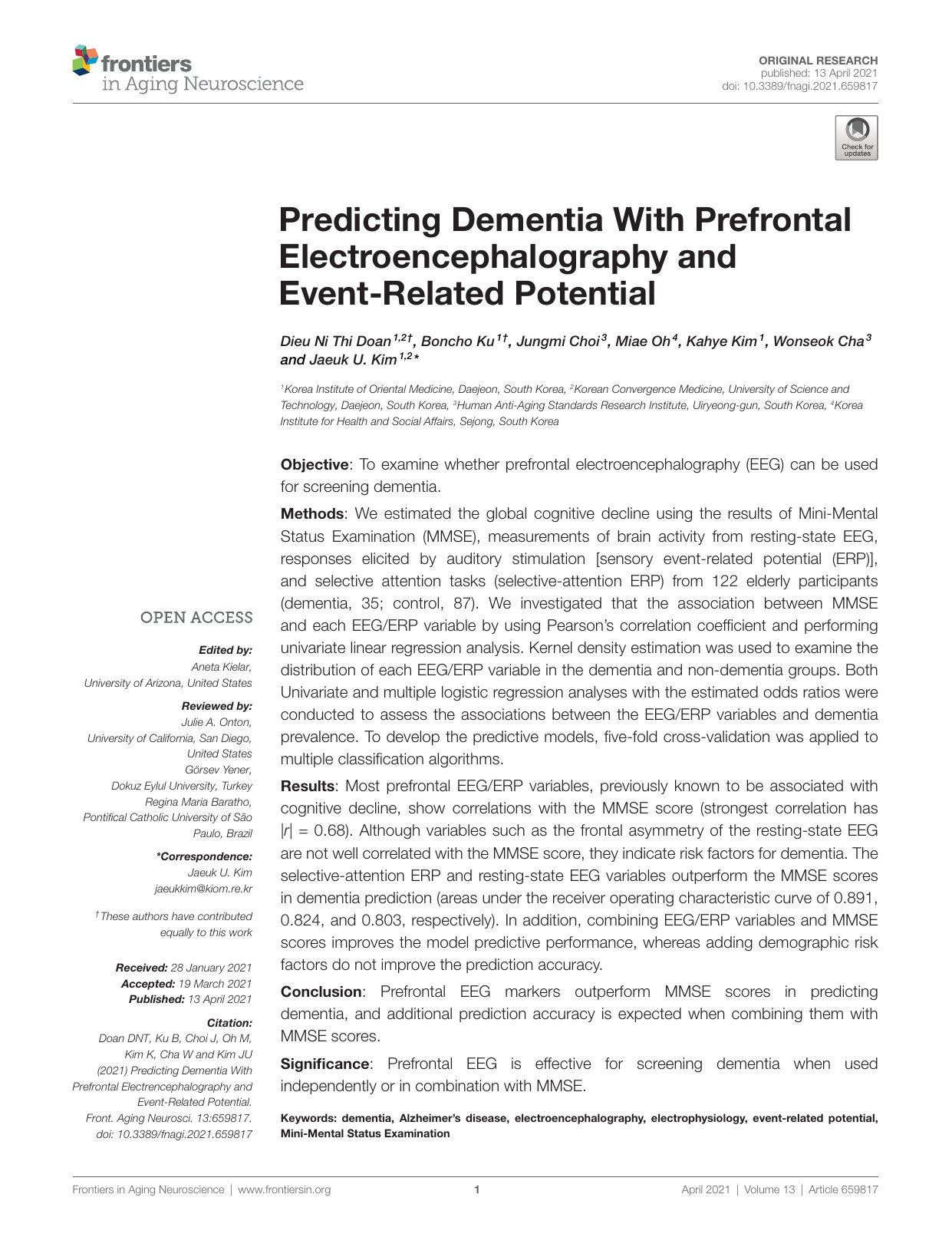
A study building a composite marker system combining QEEG-based neurophysiological indices for convenient community-level early screening of mild cognitive impairment (MCI) and dementia risk groups. A multivariate marker model integrating prefrontal slow-wave (delta·theta) increases, P300 latency prolongation, and alpha wave decreases showed superior screening performance in both sensitivity (88%) and specificity (82%) vs. single indices. Along with the convenience of completing screening in 5 minutes, high correlation with neuropsychological tests (MMSE·MoCA) was confirmed, demonstrating clinical practicality as a primary screening tool immediately applicable in dementia care centers and community health screenings.
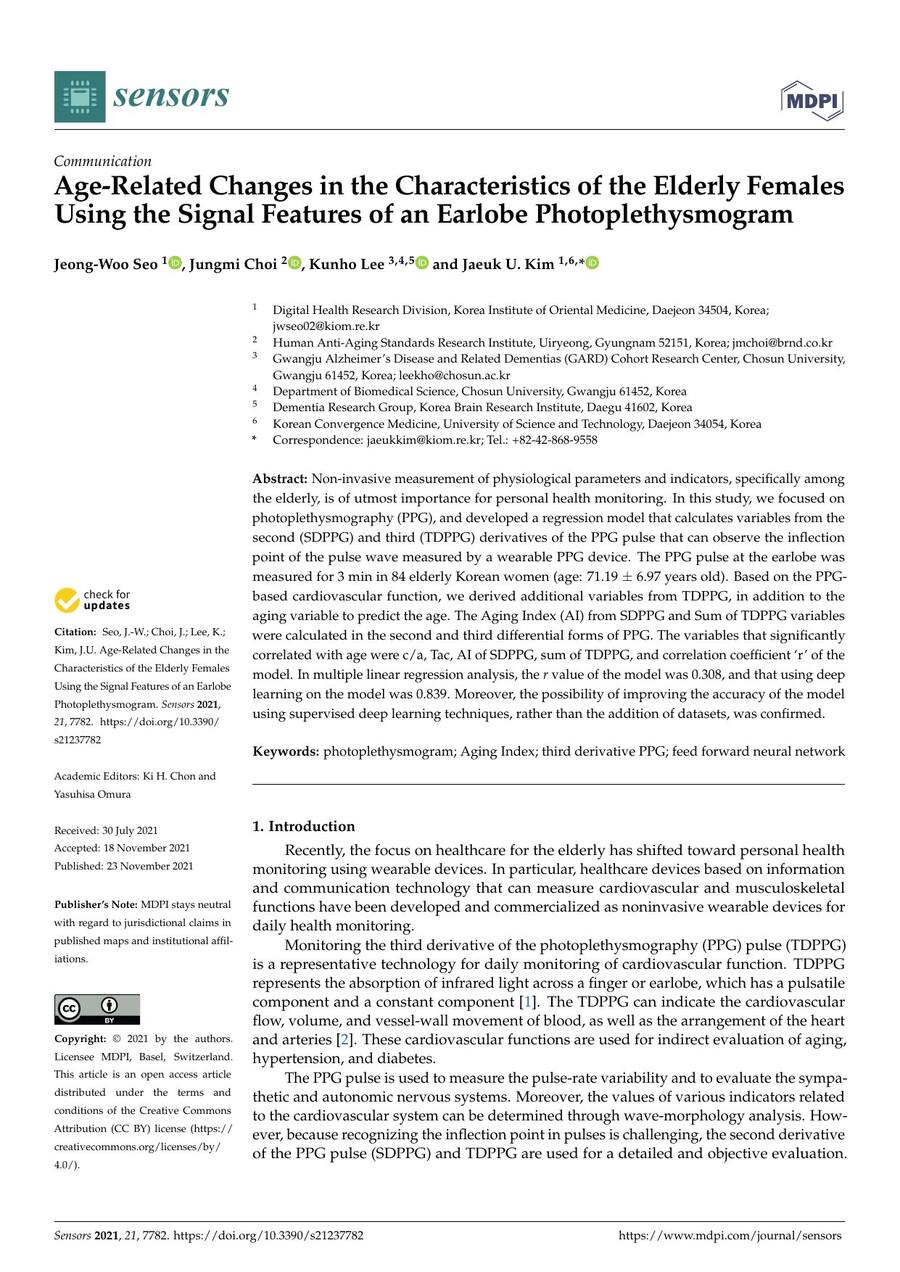
A study systematically verifying the reliability and validity of a new measurement method for non-invasively evaluating peripheral vascular function by applying a miniature photoplethysmography (PPG) sensor to the auricular (ear) region. Intraclass correlation coefficient (ICC) comparison with finger pulse waves (standard method) confirmed high agreement of 0.91+, and SDPTG indices derived from ear PPG demonstrated equivalent validity for vascular aging assessment. The potential for convenient continuous vascular aging monitoring with a small ear-wearable sensor was first presented, opening possibilities for IoT-based health monitoring device applications. Currently applied as a key foundational technology in HASRI's band-type measurement device development.
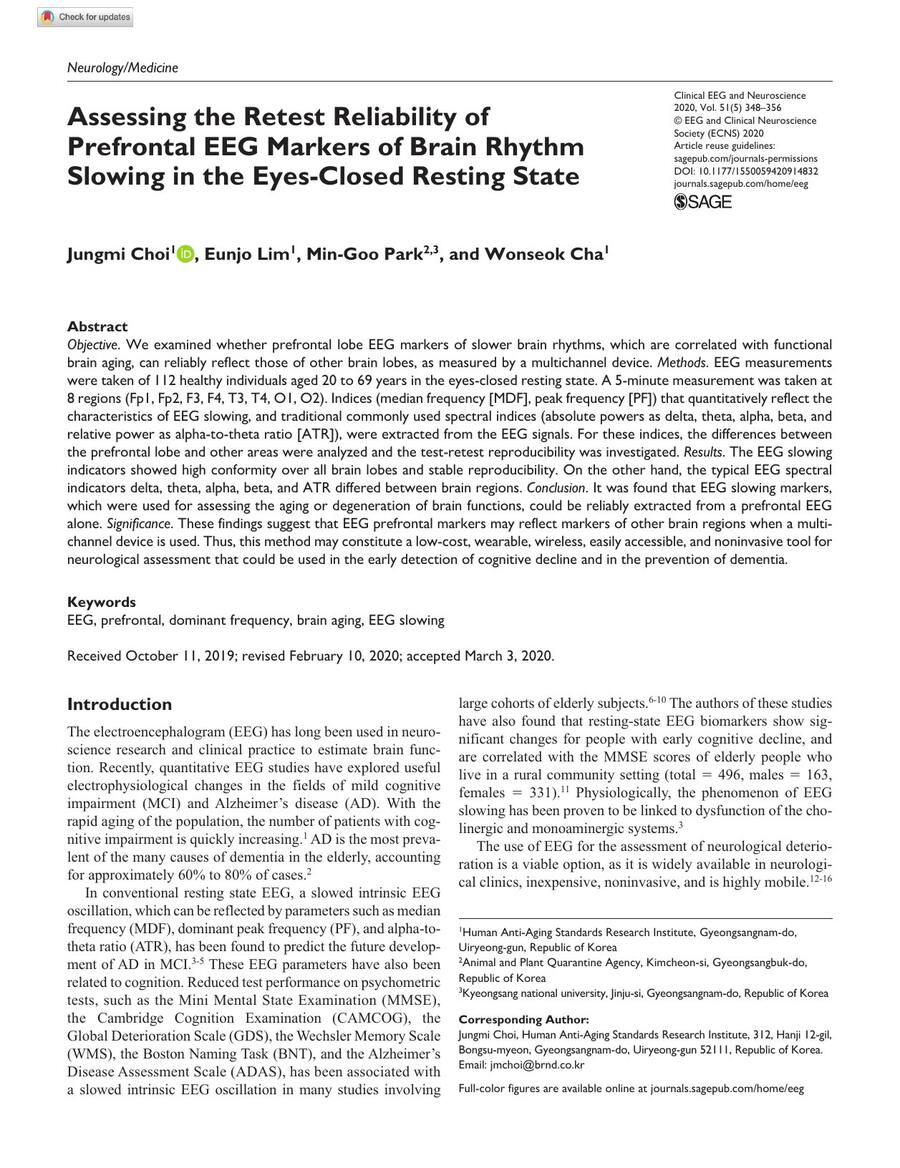
A study developing biomarkers for quantitative brain function aging assessment using prefrontal EEG median frequency (MDF) and peak frequency (PF) indices, presenting the first Korean age-stratified standardization criteria. Linear relationships of statistically significant MDF·PF decrease with age were characterized in a healthy cohort aged 20–80, establishing age-specific (10-year interval) normal reference values and abnormality criteria. The study demonstrated that brain aging can be objectively quantified from 5-minute resting EEG measurements, establishing this as a broadly applicable tool for clinical brain function assessment, dementia early screening, and anti-aging intervention efficacy evaluation. This marker is currently used as a core index in HASRI's brain function assessment system.
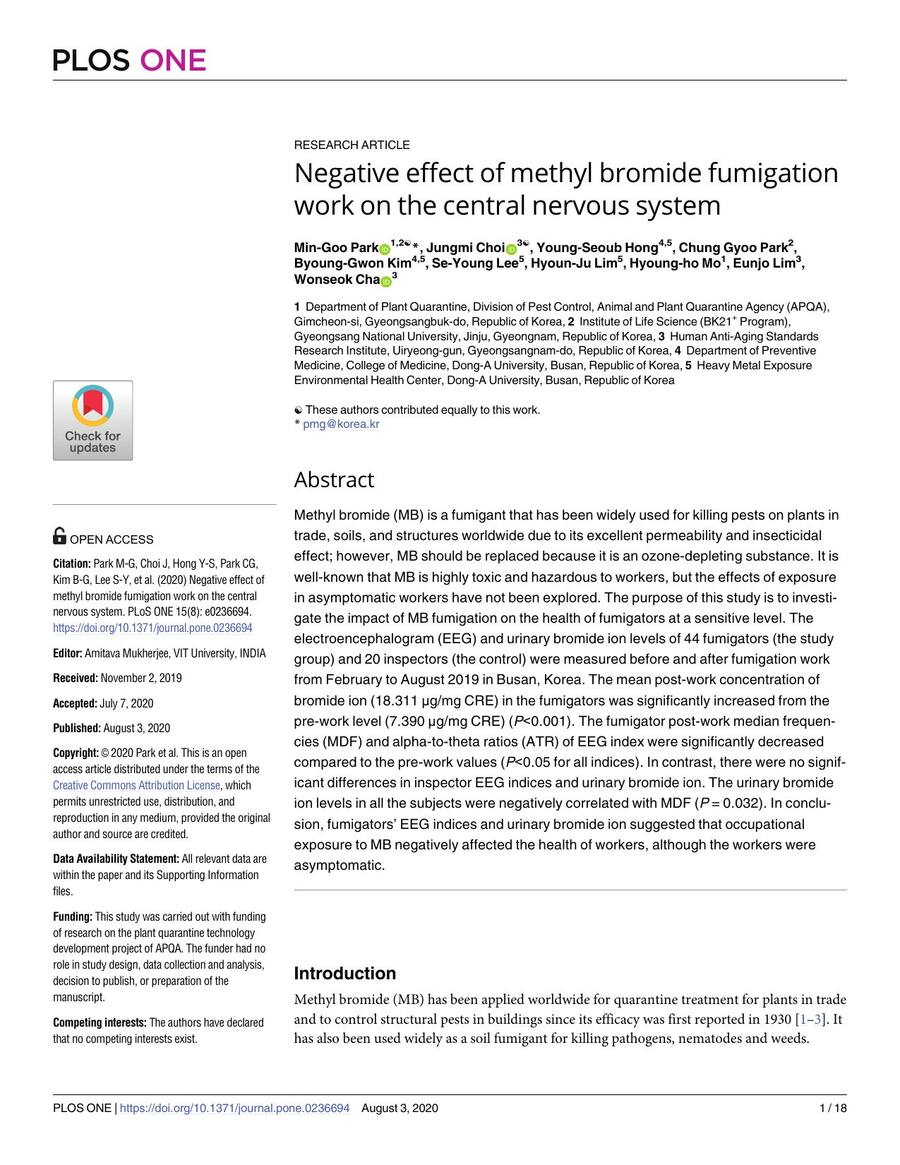
A study presenting methodology for objectively diagnosing occupational neurotoxic exposure by quantitatively assessing CNS damage from hazardous environmental factors (organic solvents, heavy metals, pesticides) using EEG frequency indices. Consistent slow-wave (delta·theta) increases, alpha decreases, and MDF decreases were observed across various toxic substance exposure groups, confirming EEG markers respond far more sensitively to toxic exposure than standard neuropsychological tests (MMSE, etc.). Dose-response relationships by exposure group/concentration/duration were characterized, and EEG index normalization post-neurotoxic exposure recovery was also tracked. This study gained international attention as a non-invasive tool for early neurotoxicity diagnosis in industrial health settings.
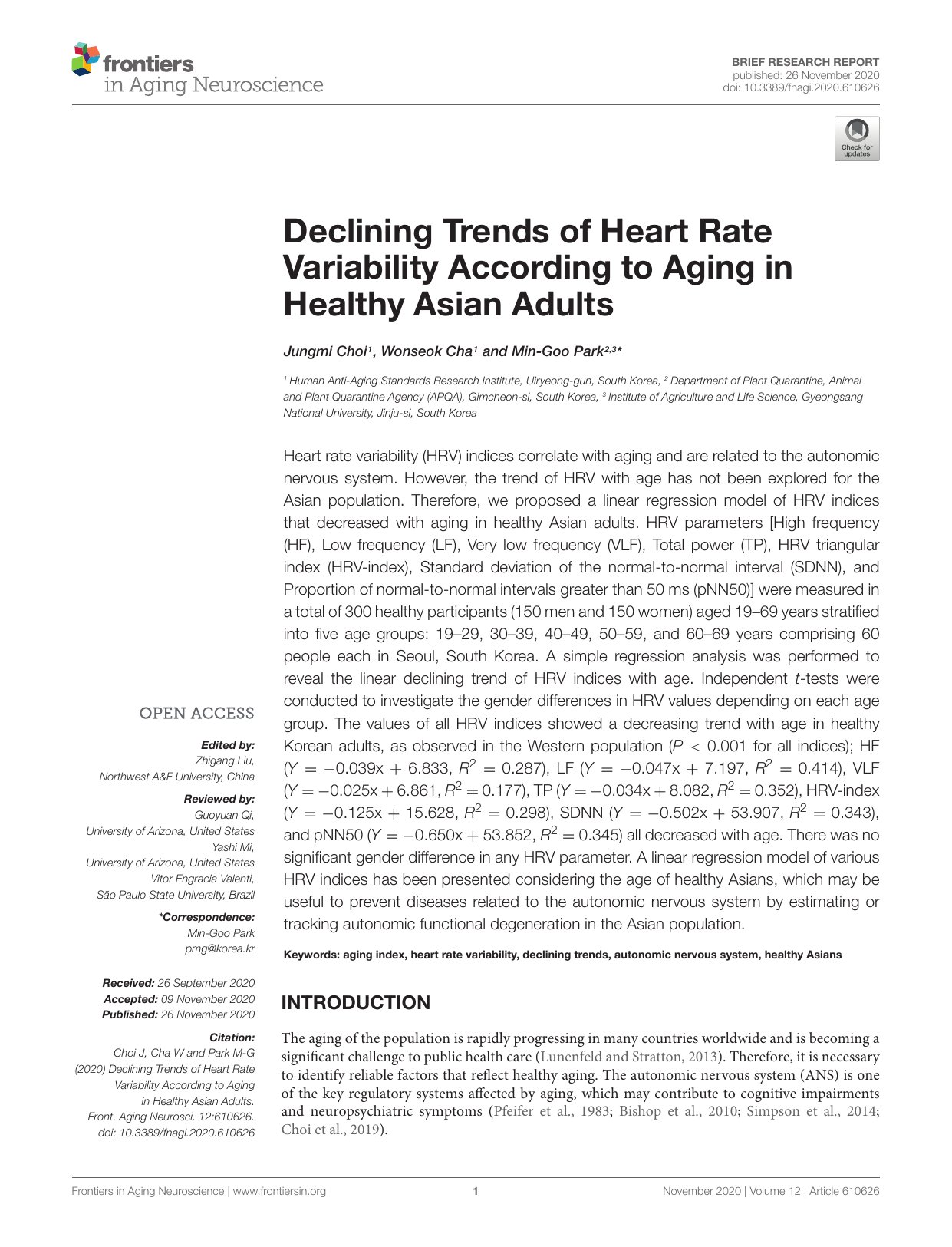
A study standardizing age/sex reference values for HRV-based stress-related indices (14 indices including SDNN, RMSSD, pNN50, LF, HF, LF/HF ratio) from large-cohort healthy adult data (ages 20–80), establishing Korean normal reference ranges immediately applicable in clinical and industrial settings. Systematic comparison with existing Western (European·North American) standards revealed significant differences in Korean and East Asian populations, statistically proving excessive false positives/negatives when applying Western standards to Korean populations. These standard values are currently adopted as criteria in HASRI's autonomic stress assessment system and cited as a core reference for Korean HRV normal standards in industrial health, clinical, and research fields.
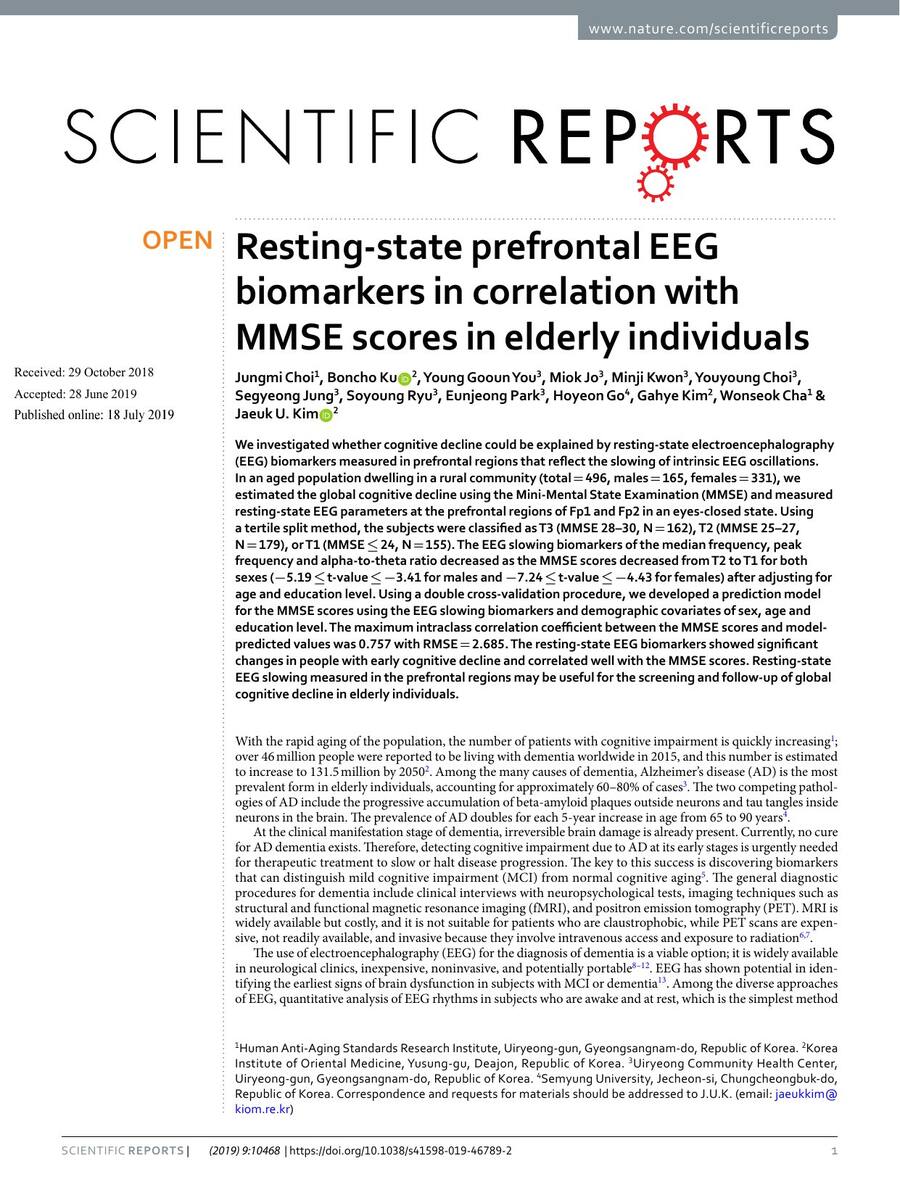
A study proposing non-invasive multivariate assessment markers combining P300 cognitive evoked potentials and attention/working memory-related EEG frequency indices (theta, alpha, prefrontal MDF) for early detection of cognitive decline. Three-group comparison of normal aging, mild cognitive impairment (MCI), and early dementia confirmed linear correlations between P300 latency prolongation/amplitude reduction and prefrontal theta increase with degree of cognitive decline. The composite marker model's cognitive decline detection accuracy was significantly higher than neuropsychological tests alone, and the potential for a convenient 5-minute quantitative cognitive assessment tool even in non-expert environments was demonstrated. One of HASRI's landmark papers achieving international recognition through Scientific Reports publication.
A pioneering study quantitatively verifying with neurophysiological indices the positive effects of an 8-week structured diaphragmatic breathing, abdominal breathing, and 4-7-8 breathing technique training program on autonomic balance and stress response indices. Post-training significant increases in HRV parasympathetic activity (HF component·RMSSD), decreases in sympathetic tone (LF component), and LF/HF balance improvements were statistically confirmed vs. controls. Autonomic improvement effects were maintained in 4-week follow-up tracking for sustainability evaluation, and it was first neurophysiologically proven that breathing training has practical and lasting effects on autonomic regulatory capacity improvement. This study became the foundation for subsequent HASRI Integrated Wellness Program II research and is currently applied in One Brain Center training programs.